TANJI
Enhancing User Experience Through Native Apps

Executive summary
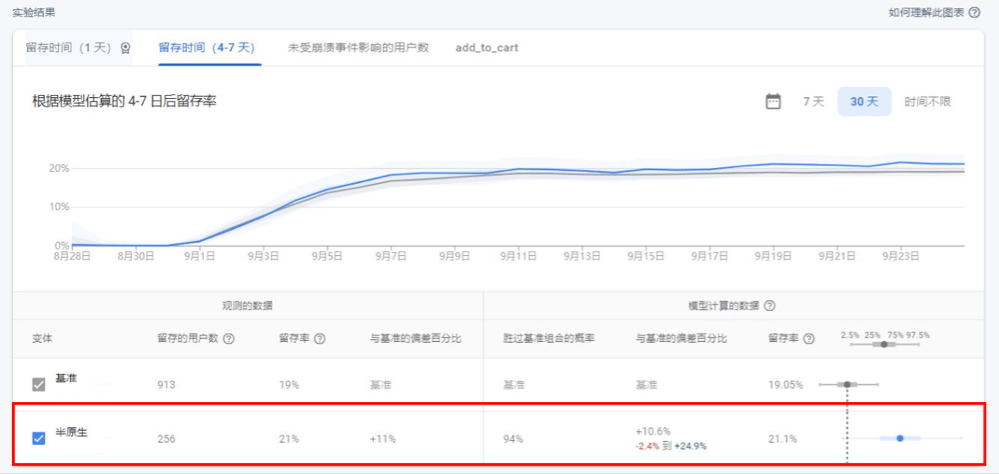
To reduce the Android user uninstallation rate and improve retention, the team has been driving module nativeization since 2023 to optimize performance. After A/B testing, the native version’s 4-7 day retention rate increased by 11%.
Category
Long-term Strategy
Skills
A/B Testing
Feature Planning
API Spec
Team Members
Product Designer
QA Engineer
Frontend Engineer
Backend Engineer
iOS Engineer
Android Engineer
Implement
Total Ph1~Ph4
Ph1 5 Months
(2023/3-2023/8)
Outcome
One month after launch, the 4-7 day retention rate for the Android native version increased by 11%.
Background
Android users reported frequent lags and crashes in the app, leading to a high uninstall rate, which impacted user experience and retention.
Target Audience
Job-seeking students and part-time workers in Taiwan.
Product and Business Goals
Product KPI: Improve app performance and stability.
Observation KPI: Reduce device uninstall rate by 10%.
Solution
Since 2023, the team has been driving the native module transition to optimize product performance and user experience.
Risks and Challenges
The switching experience between webView and native needs to balance loading smoothness.
Responsibilities
• Module Optimization: Overview of all modules, prioritized development of high-engagement C-side pages, followed by B-side modules.
• Customized Design: Modifying the native module based on mobile mode design guidelines.
• Product Specifications: Write PRD, defining module data formats, notification display rules, APIs, push notifications, and announcement logic to ensure cross-functional team collaboration.
• Project Management: Build a WBS (Work Breakdown Structure), plan resources and timelines, allocate responsibilities, track progress, and assess risks.
Experiment
| Experiment | Variant | Traffic Allocation | Group |
| A | Webview | 80% | Control |
| B | Native | 20% | Test Group |
 Crystal G.